
Here is a practical, clinically grounded guide to ADHD fidgeting — what it is, why it happens, and what actually helps. Written for people living with it rather than reading about it.
In this Article
Fidgeting is regulation, not distraction
Small repetitive movement raises arousal to a level where attention can be sustained. Suppressing it takes effort that then is not available for the task.
What the research suggests
Studies of children with ADHD have found that movement during cognitively demanding tasks is associated with better performance, not worse — the opposite of the classroom assumption that stillness aids learning.
Not all fidgeting helps
Movement that needs attention of its own — a phone, a game, anything with an outcome — competes with the task. Useful fidgeting is automatic and boring.
Practical options
Standing desks, walking calls, a textured object, chewing gum, background instrumental noise. What works is individual; what matters is that it needs no thought.
Fidgeting in shared spaces
Choose quiet, low-visibility options in offices and meetings. Framing it as a focus aid rather than a nervous habit usually resolves how others read it.
How much is inattention actually costing you?
Two minutes, twelve questions. You get two scores — how often attention slips, and how much it is affecting daily life. No email required.
Take the self-checkTreatments people read this alongside
Prescription options stocked at Rx Relief Hubs, shipped tracked and in plain packaging. Every order is checked by a licensed pharmacist before dispatch.

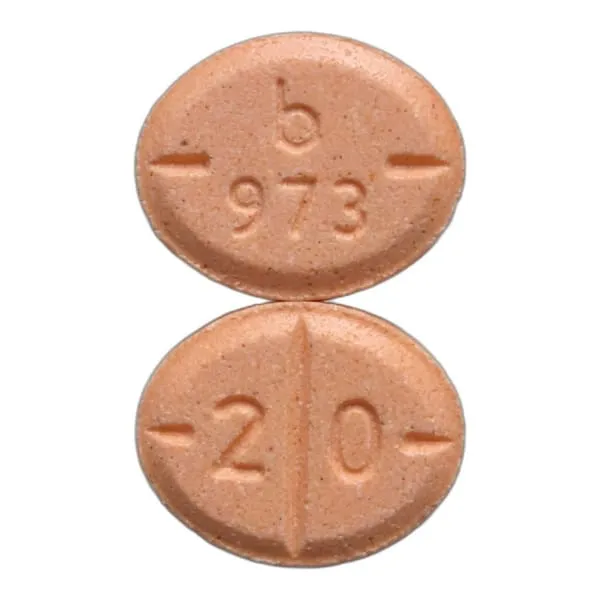
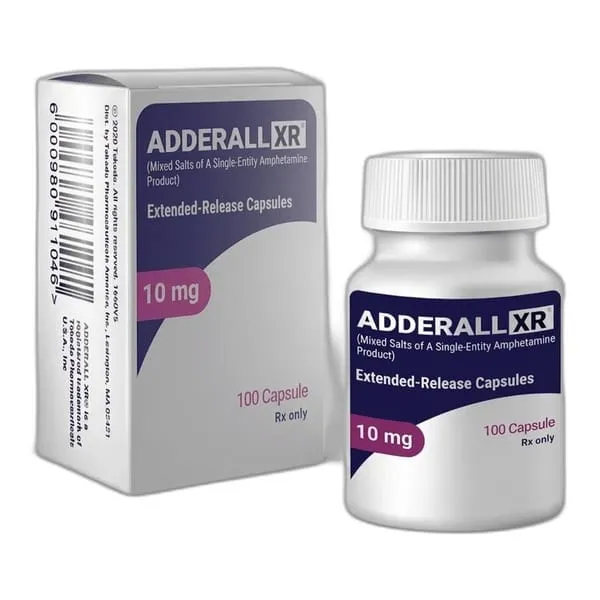
Browse the full range in ADHD.
Also available from our partner pharmacies
The same range, stocked and shipped by pharmacies in our network.
Frequently Asked Questions
Does fidgeting actually improve concentration?
For many people with ADHD, yes. Movement appears to raise arousal enough to sustain attention on tasks that would otherwise be under-stimulating.
Should children be allowed to fidget in class?
Evidence increasingly supports permitting movement rather than enforcing stillness, provided it does not disrupt others.
Are fidget toys helpful or just a fad?
Simple, repetitive objects can help. Anything absorbing enough to become the activity itself tends to hinder.
Why do I pace when thinking?
Walking raises arousal and reduces the sense of being stuck. Many people find verbal reasoning and problem-solving noticeably easier while moving.
Is fidgeting a sign of anxiety instead?
It can be either. Anxious fidgeting usually comes with worry and physical tension; ADHD fidgeting is more often restlessness without a specific fear.
Continue reading
Need to order today?
Pharmacist-checked stock, tracked delivery across the USA and plain, unmarked packaging on every parcel.
Shop ADHDClinical Summary
Key Takeaways
- • Consistency and healthy daily habits matter most.
- • Follow product labels and recommended guidance.
- • Consult a professional for persistent concerns.
Good Practice
A lifestyle-first approach paired with accurate, verified information delivers the best long-term wellness outcomes.
Rx Relief Hubs Clinical Team
Editorial
Every article is written and fact-checked by our clinical team so you can rely on accurate, up-to-date health information. Have a question about this topic? Our team is available around the clock.